U.S. flag

An official website of the United States government

Here’s how you know

Dot gov

Official websites use .gov
A .gov website belongs to an official government organization in the United States.

Https

Secure .gov websites use HTTPS
A lock ( Lock A locked padlock ) or https:// means you’ve safely connected to the .gov website. Share sensitive information only on official, secure websites.

  • Who We Are
    • About
    • Mission
    • History
    • Divisions
      • Atlanta
        • Atlanta Leadership
        • Atlanta Contacts
      • Caribbean
        • Caribbean Contacts
      • Chicago
        • Chicago Leadership
        • Chicago Contacts
      • Dallas
        • Dallas Leadership
        • Dallas Contacts
      • Denver
        • Denver Contacts
      • Detroit
        • Detroit Contacts
      • El Paso
        • El Paso Contacts
      • Headquarters
      • Houston
        • Houston Leadership
        • Houston Contacts
      • Los Angeles
        • Los Angeles Leadership
        • Los Angeles Contacts
      • Louisville
        • Louisville Leadership
        • Louisville Contacts
      • Miami
        • Miami Leadership
        • Miami Contacts
      • New England
        • New England Leadership
        • New England Contacts
      • New Jersey
        • New Jersey Leadership
        • New Jersey Contacts
      • New Orleans
        • New Orleans Leadership
        • New Orleans Contacts
      • New York
        • New York Leadership
        • New York Contacts
      • Omaha
        • Omaha Leadership
        • Omaha Contacts
      • Philadelphia
        • Philadelphia Leadership
        • Philadelphia Contacts
      • Phoenix
        • Phoenix Leadership
        • Phoenix Contacts
      • San Diego
        • San Diego Leadership
        • San Diego Contacts
      • San Francisco
        • San Francisco Leadership
        • San Francisco Contacts
      • Seattle
        • Seattle Leadership
        • Seattle Contacts
      • St. Louis
        • St. Louis Leadership
        • St. Louis Contacts
      • Washington, DC
        • Washington Leadership
        • Washington Contacts
    • DEA Museum
    • Foreign Offices
      • Africa
      • Andean
      • Caribbean
      • Europe
      • Far East
      • Middle East
      • North and Central America
      • Southern Cone
    • Operational Divisions
      • Aviation Division
      • Diversion Control Division
    • Wall of Honor
    • Contact Us
      • Submit a Tip
      • Extortion Scam
      • Congressional and Public Affairs
      • Social Media Directory
  • What We Do
    • Law Enforcement
      • DEA Office of Training
        • Office of Training Programs
      • El Paso Intelligence Center (EPIC)
        • Leadership
        • Mission
        • Services
        • Contacts
      • Forensic Sciences
        • Computer Forensics Program
        • Environmental Management
        • Laboratories
      • Intelligence
      • Operations
        • Administrative Law Judges
        • DEA Asset Forfeiture
        • Domestic Cannabis Suppression / Eradication Program
        • HIDTA
        • OCDETF
        • State and Local Task Forces
    • Education and Prevention
      • Operation Engage
      • Community Outreach
      • Just Think Twice
      • Campus Drug Prevention
      • Get Smart About Drugs
      • Operation Prevention
    • Drug Information
      • Drug Policy
      • Drug Scheduling
      • The Controlled Substances Act
    • News
      • Alerts
      • Press Releases
      • Most Wanted Fugitives
        • All Fugitives
      • Stories
      • Events
      • Speeches
      • Testimony
    • Campaigns
      • One Pill Can Kill
        • Partner Toolbox
      • DEA National Prescription Drug Take Back Day
      • Red Ribbon
        • Kiki and the History of Red Ribbon Week
        • Red Ribbon Toolkit - Resources For Your Community
  • Careers
    • Special Agent
      • Contact Your Local Recruiter
      • Special Agent FAQs
      • Special Agent Job Announcements
      • What it takes to be a DEA Special Agent
    • Diversion Investigator
    • Intelligence Research Specialist
      • Intelligence Research Specialist Job Announcements
      • Intelligence Research Specialists FAQs
      • Schedule A Hiring Authority: Intelligence Research Specialist
    • Forensic Sciences Careers
    • Professional & Administrative Careers
    • Student & Entry Level Careers
    • How to Apply
      • Equal Opportunity Employer
      • Employment Requirements
      • How To Claim Veterans' Preference
      • Priority Consideration
      • Benefits
      • Veterans and People With Disabilities
  • Resources
    • Recovery Resources
    • Data and Statistics
      • Domestic Arrests
      • Staffing and Budget
    • FOIA
      • About FOIA
      • Contact DEA FOIA
      • Make a Request
      • What Happens After Making a Request
      • Requester Categories
      • Fees Charged
      • Fee Waiver
      • FOIA FAQ
      • FOIA Library
      • FOIA Logs and Reports
      • FOIA Additional Resources
      • Additional FOIA Links
      • FOIA Exemptions
      • What Are Exclusions?
      • Privacy Act
      • Privacy Act Exemptions
      • Privacy Impact Assessment and Management Information Systems
    • Publications
    • Media Galleries
    • Victim Witness Assistance Program
      • Victim Witness Assistance Program Resources

United States Drug Enforcement Administration

  • Search
  • Full Menu

Main Menu

  • Who We Are
  • What We Do
  • Careers
  • Resources
  • Submit A Tip
  • Get Updates

Facts about Fentanyl

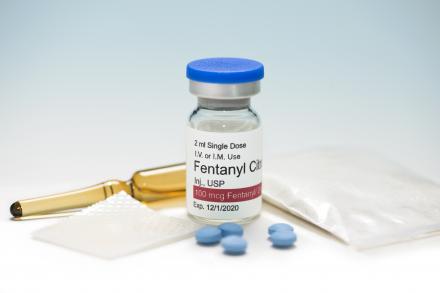
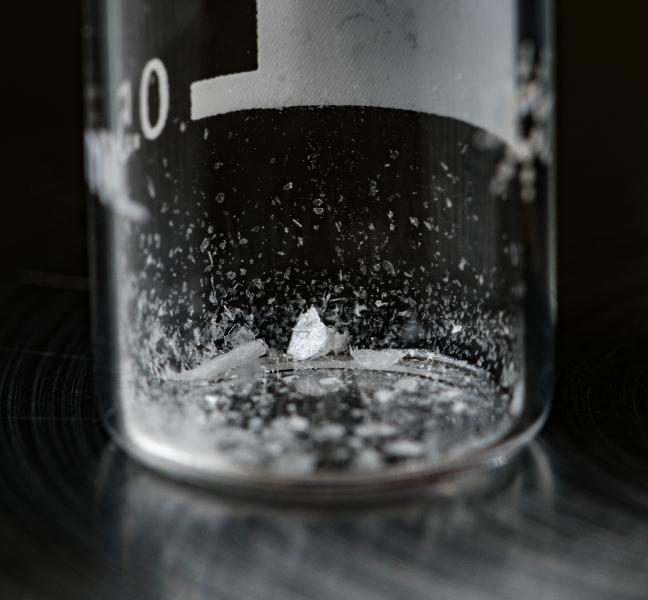
Forms of Fentanyl Citrate
Forms of Fentanyl Citrate 

Fentanyl is a synthetic opioid typically used to treat patients with chronic severe pain or severe pain following surgery.  Fentanyl is a Schedule II controlled substance that is similar to morphine but about 100 times more potent.  Under the supervision of a licensed medical professional, fentanyl has a legitimate medical use.  Patients prescribed fentanyl should be monitored for potential misuse or abuse.

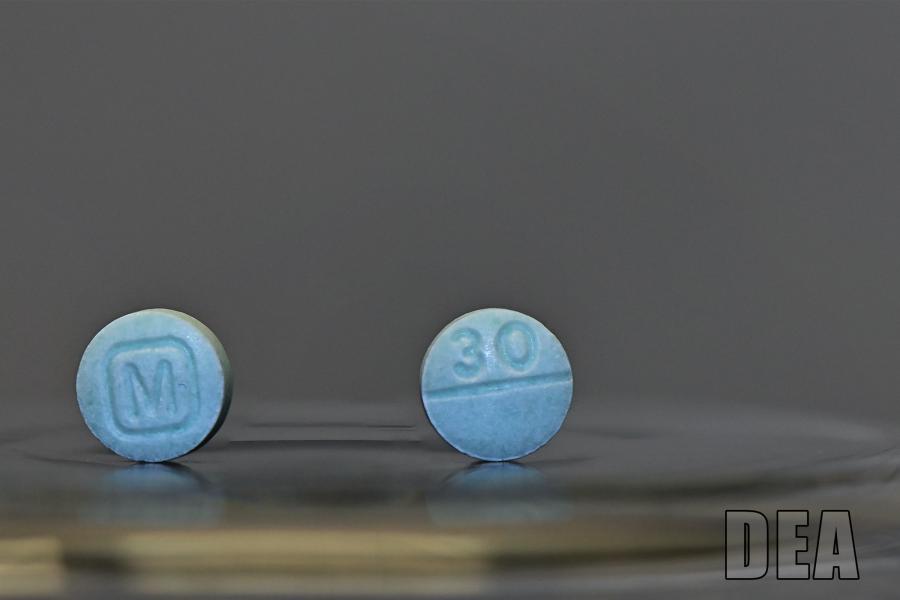
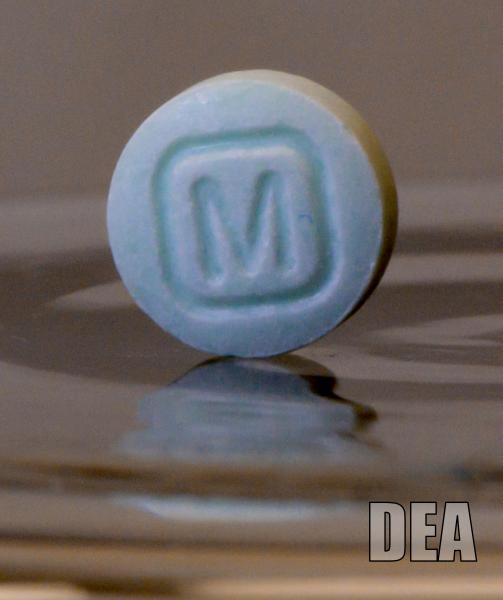
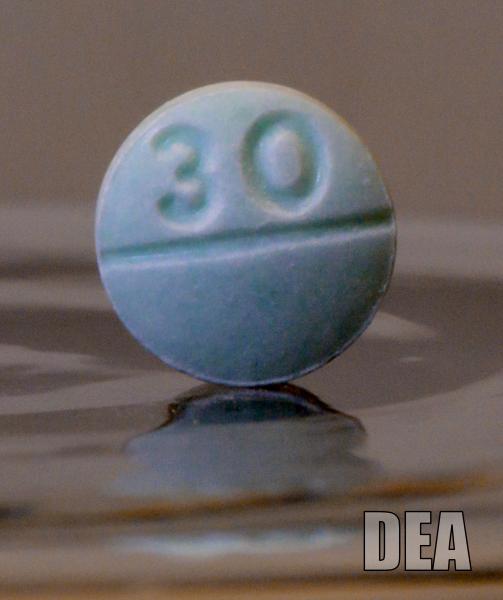
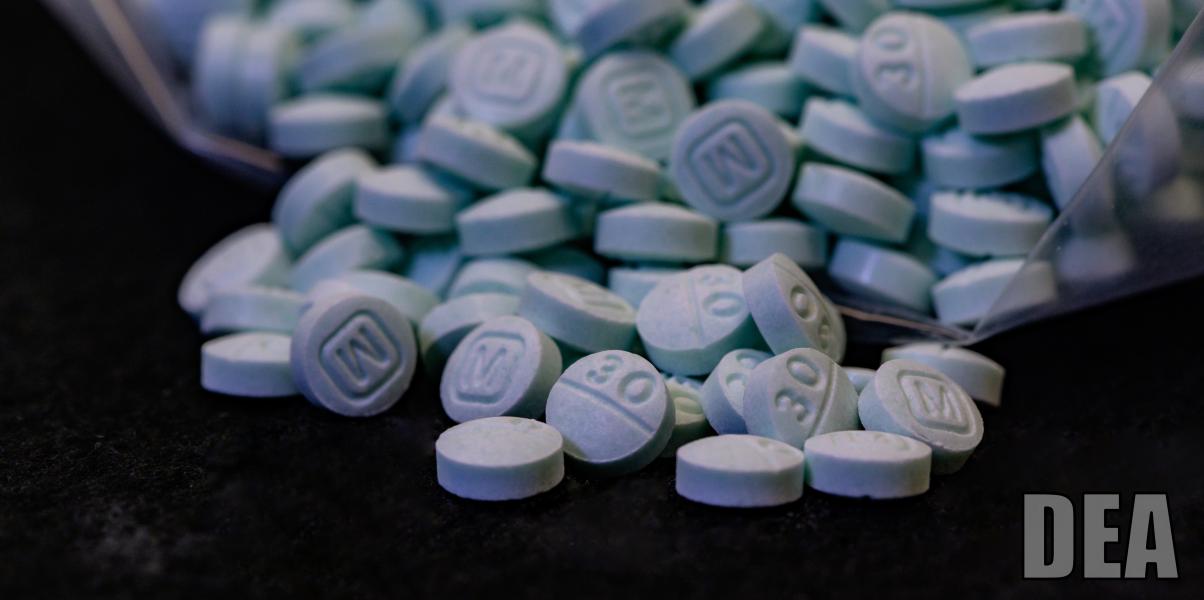
Illicit fentanyl, primarily manufactured in foreign clandestine labs and smuggled into the United States through Mexico, is being distributed across the country and sold on the illegal drug market.  Fentanyl is being mixed in with other illicit drugs to increase the potency of the drug, sold as powders and nasal sprays, and increasingly pressed into pills made to look like legitimate prescription opioids.  Because there is no official oversight or quality control, these counterfeit pills often contain lethal doses of fentanyl, with none of the promised drug.

There is significant risk that illegal drugs have been intentionally contaminated with fentanyl.  Because of its potency and low cost, drug dealers have been mixing fentanyl with other drugs including heroin, methamphetamine, and cocaine, increasing the likelihood of a fatal interaction.

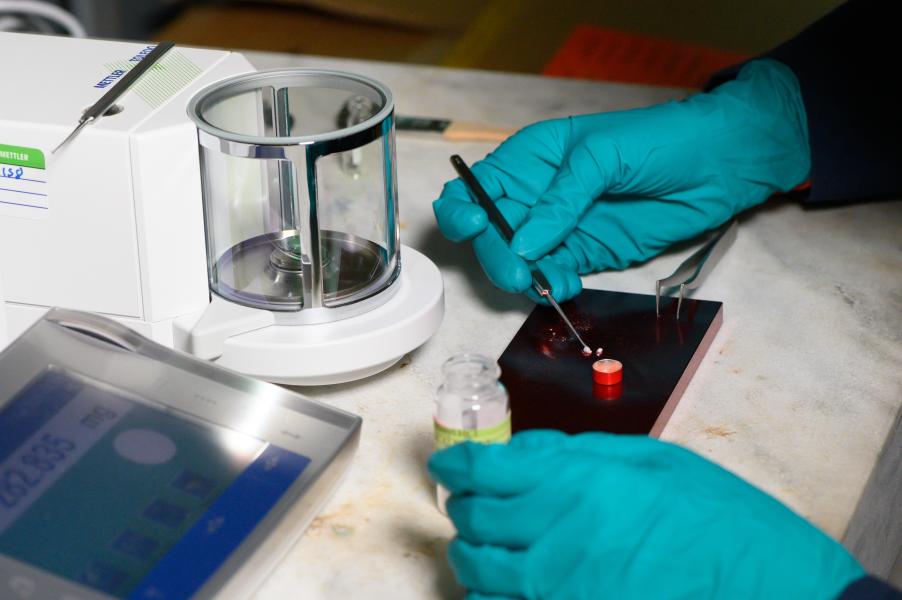
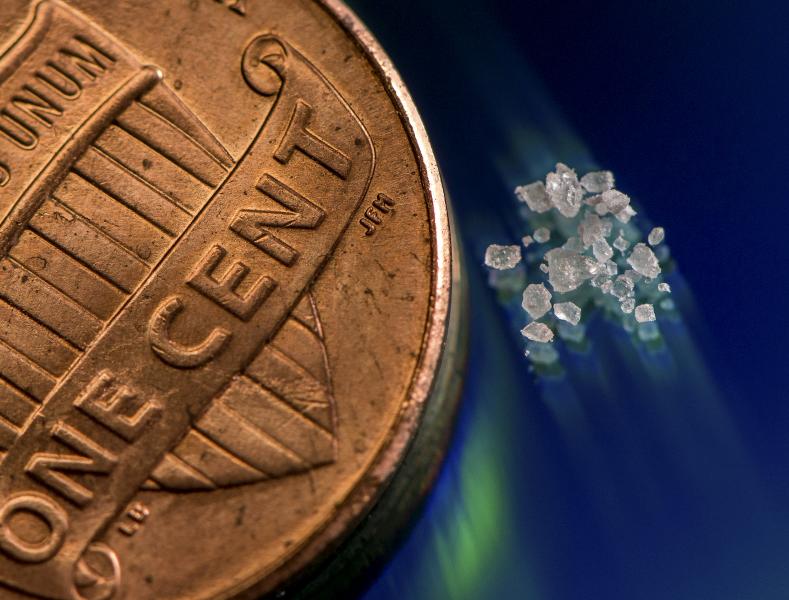
Producing illicit fentanyl is not an exact science.  Two milligrams of fentanyl can be lethal depending on a person’s body size, tolerance and past usage.  DEA analysis has found counterfeit pills ranging from .02 to 5.1 milligrams (more than twice the lethal dose) of fentanyl per tablet.

  • 42% of pills tested for fentanyl contained at least 2 mg of fentanyl, considered a potentially lethal dose.
  • Drug trafficking organizations typically distribute fentanyl by the kilogram.  One kilogram of fentanyl has the potential to kill 500,000 people.

It is possible for someone to take a pill without knowing it contains fentanyl. It is also possible to take a pill knowing it contains fentanyl, but with no way of knowing if it contains a lethal dose.

According to the CDC, synthetic opioids (like fentanyl) are the primary driver of overdose deaths in the United States. Comparison between 12 months-ending January 31, 2020 and the 12 months-ending January 31, 2021 during this period:

  • Overdose deaths involving opioids rose 38.1 percent.
  • Overdose deaths involving synthetic opioids (primarily illicitly manufactured fentanyl) rose 55.6 percent and appear to be the primary driver of the increase in total drug overdose deaths. 

Unless a drug is prescribed by a licensed medical professional and dispensed by a legitimate pharmacy, you can't know if it’s fake or legitimate. And without laboratory testing, there’s no way to know the amount of fentanyl in an individual pill or how much may have been added to another drug. This is especially dangerous because of fentanyl's potency.
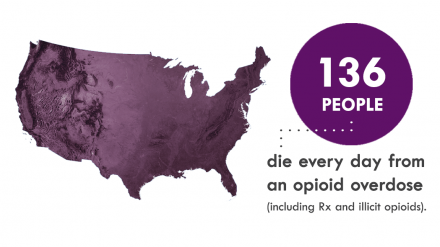
136 people die every day from an opioid overdose


Fentanyl, similar to other commonly used opioid analgesics (e.g., morphine), produces effects such as:

  • euphoria
  • pain relief
  • relaxation
  • sedation
  • confusion
  • drowsiness
  • dizziness
  • nausea
  • vomiting
  • urinary retention
  • pupillary constriction

Overdose may result in:
•stupor
•changes in pupillary size
•cold and clammy skin
•cyanosis - blue discoloration of the skin
•respiratory failure leading to death
•coma

Overdose Reversal Information

DEA Resources:

2020 National Drug Threat Assessment
DEA Fentanyl Drug Factsheet
Fentanyl: The Next Wave of the Opioid Crisis
Fentanyl Flow to the United States
Narcotics
Fentanyl-Laced Crack Cocaine a Deadly New Threat
Drug Education and Prevention
The Overdose Crisis in the Washington D.C. Metro Area
Heroin and Opioid Awareness Campaign
DEA Fentanyl Related Press Releases
Department of Justice Fentanyl Related Press Releases

CDC Resources:

Opioid Overdose
Opioid Basics
Journal Articles
Drug Overdose Deaths
Provisional Drug Overdose Death Counts
Increase in Fatal Drug Overdoses Across the United States Driven by Synthetic Opioids Before and During the COVID-19 Pandemic
Trends and Geographic Patterns in Drug and Synthetic Opioid Overdose Deaths — United States, 2013–2019
Increases in Drug and Opioid-Involved Overdose Deaths — United States
Synthetic Opioid Overdose Data
Reported Law Enforcement Encounters Testing Positive for Fentanyl Increase Across US

Department of Health and Human Services

National Opioid Crisis
What are Opioids
A Patients Guide to Fentanyl - National Library of Medicine

National Institute on Drug Abuse Resources

Addressing America's Fentanyl Crisis
Fentanyl - Drug Topics
The True Deadly Scope of America's Fentanyl Problem

If you or someone you know has a mental health condition or a substance use disorder, there are resources and services available to assist with screening, treatment, and recovery:

SAMHSA's National Helpline

1-800-662-HELP (4357)
TTY: 1-800-487-4889

Website: 
www.samhsa.gov/find-help/national-helpline
www.https://www.findtreatment.gov

Also known as the Treatment Referral Routing Service, this Helpline provides 24-hour free and confidential treatment referral and information about mental health and substance use disorders, prevention, and recovery, in English and Spanish.

Drug-Free Workplace

1-800-WORKPLACE (967-5752)
Website: www.samhsa.gov/workplace/resources/drug-free-helpline

Assists employers and union representatives with policy development, drug testing, employee assistance, employee education, supervisor training, and program implementation.

Buprenorphine Practitioner & Treatment Program Locator

Find information on locating practitioners and treatment programs authorized to treat addiction and dependence on opioids, such as heroin or prescription pain relievers, at www.samhsa.gov/medication-assisted-treatment/practitioner-program-data/treatment-practitioner-locator.

Opioid Treatment Program Directory

Find treatment programs in your state that treat addiction and dependence on opioids, such as heroin or prescription pain relievers, at dpt2.samhsa.gov/treatment/.

Learn More

Find out more about these treatment topics:

  • SAMHSA Behavioral Health Treatment Services Locator: Confidential and anonymous source for individuals seeking treatment facilities for substance use disorder, addiction, and mental health concerns.
  • Find a Health Center: Some health centers provide mental health and substance use disorder services. Contact the health center directly to confirm availability of specific services and to make an appointment.
  • Alcohol, Tobacco, and Other Drugs
  • Behavioral Health Treatment and Services
  • Implementing Behavioral Health Crisis Care
  • Mental Health and Substance Use Disorders
  • Recovery and Recovery Support
  • Substance Abuse and Mental Illness Prevention
  • Suicide Prevention
Fentanyl lethal dose
Authentic_Fentanyl_lethal_dose
Fentanyl Lethal Dose
Fentanyl_Oxy_M30
Fentanyl_oxy_30mg_front
Fentanyl_oxy_30mg_back
Fentanyl_oxy_30mg_bulk pill spill

SAMHSA Behavioral Health Treatment Locator

  • Who We Are
    • About
    • Domestic Divisions
    • Foreign Offices
    • Contact Us
    • DEA Museum
  • What We Do
    • Drug Prevention
    • Law Enforcement
    • Diversion Control Division
    • News
  • Careers
    • Overview
    • Special Agent
    • Diversion Investigator
    • Forensic Sciences
    • Intelligence Research Specialist
  • Resources
    • Drug Information
    • Employee Assistance Program
    • Equal Opportunity Employer
    • FOIA
    • Publications
    • Media Galleries
    • VWAP
  • Doing Business
    with the DEA
    • Overview
    • Current Vendors
    • Prospective Vendors
    • Security Clauses
    • Security Forms
    • Small Business Program
  • Policies
    • Accessibility, Plug-ins & Policy
    • Legal Policies & Disclaimers
    • No FEAR Act
    • Privacy Policy
    • U.S. Department of Justice EEO Policy
    • USA.gov
    • Whistleblower Protection
Home

United States Drug Enforcement Administration

DEA.gov is an official site of the U.S. Department of Justice
Facebook Twitter LinkedIn Instagram

DEA Contact Center

(202) 307-1000 info@dea.gov
Contact the Webmaster