


The Replay: One Pill Can Kill Message Advances a Fentanyl Free America at Super Bowl LX
DEA Headquarters
As millions of Americans turned their attention to football’s biggest stage ahead of Super Bowl LX in San Francisco, the U.S. Drug Enforcement Administration and NFL Alumni Health (NFLAH) leaned into the power of the week, because it’s not just about entertainment, it’s also about influence.
For the third consecutive year, DEA and NFL Alumni Health leveraged the visibility of Super Bowl week to advance the One Pill Can Kill campaign, which is an essential pillar of DEA’s mission to secure a Fentanyl Free America. By combining trusted voices, attention grabbing outreach events, and science-based education, this partnership continues to turn awareness into action and conversations into lifesaving drug use prevention.
Super Bowl LX: Meeting America Where It Is
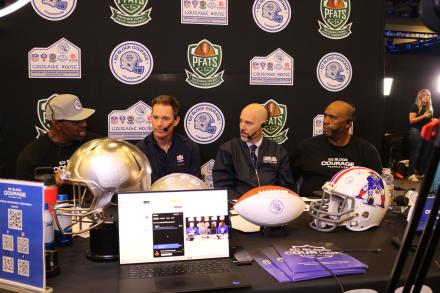
With events happening across the city throughout the week, Super Bowl LX provided a unique opportunity to reach audiences on a national scale while connecting directly with communities at the local level. DEA and NFL Alumni Health met people where they gathered, connected, and celebrated to ensure drug use prevention messaging was available near and far.
From dozens of media engagements to a caravan moving through the streets of San Francisco, the partnership delivered a clear and urgent message: counterfeit pills are dangerous, honest conversations matter, and one pill can kill.
This week-long effort supported DEA’s community outreach and prevention strategy while reinforcing the shared responsibility required to build a Fentanyl Free America.
Media Row: Amplifying the Message Nationwide
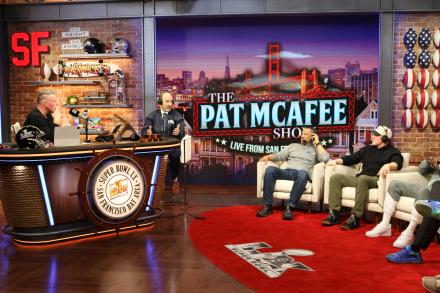
Media Row served as a central hub for both national and local conversations. DEA and NFL Alumni Health engaged with more than two dozen media outlets including The Pat McAfee Show, Sirius XM, Outkick on FOX, WGN, and NBC Sports, reaching a wide and diverse audience with a clear message: fentanyl does not discriminate. Drug poisonings and overdose deaths remain the leading cause of death for Americans aged 18-44.
NFL Hall of Famer Rod Woodson and Super Bowl Champion Kyle Richardson served as NFLAH ambassadors for the One Pill Can Kill campaign on Media Row, joining DEA Administrator Terry Cole over two-days of interviews and conversations with athletes and media. Their conversations raised awareness, reinforced prevention, and encouraged Americans to stay informed and vigilant. By leveraging Media Row, the partnership extended its reach far beyond San Francisco to a worldwide audience.
Taking Prevention to the Streets of San Francisco
To ensure the One Pill Can Kill message reached people beyond traditional venues, DEA and NFLAH brought drug use prevention directly to the streets of San Francisco through a high-energy, highly visible outreach event designed to meet people where they live, work, and visit.
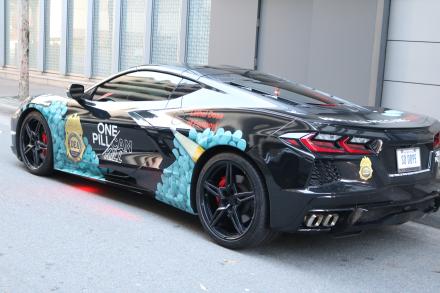
A street team was assembled to take the campaign to some of the city’s most popular tourist destinations. Flanked by two double-decker buses, the unmistakable One Pill Can Kill Corvette, which was seized from a drug trafficker and repurposed into a mobile billboard, turned heads and sparked conversations at every stop.
Adding to the momentum, the Vacaville High School band performed on the bus and at every stop, creating a festive, engaging atmosphere that drew in crowds, sparked meaningful conversations, and allowed DEA and NFLAH to share valuable resources.
NFL Alumni Garrison Hearst, Wally Williams, Kyle Richardson, and Billy Davis joined the outreach effort, lending their voices and visibility to the campaign and encouraging the public to learn about the dangers of fentanyl and counterfeit pills. Their presence helped reinforce a simple but urgent message: drug use prevention starts with awareness, and everyone has a role to play.
The event also included powerful personal advocacy. Mona Leonardi and her partner, Craig, of the Michael Leonardi Foundation joined the street team, sharing Michael’s story. Michael tragically lost his life to a fentanyl poisoning after purchasing a counterfeit oxycodone on social media while away at college. Their willingness to speak openly underscored the consequences of counterfeit pills.
After crossing the iconic Golden Gate Bridge, the OPCK street team traveled through Union Square to Pier 39 and Fisherman’s Wharf. Team members met with the public, answered questions, provided resources, and encouraged meaningful conversations about the dangers of fentanyl. By bringing the One Pill Can Kill campaign to the streets DEA and NFLAH empowered individuals to take an active role in protecting themselves, their families, and their friends because it will take all of us to achieve a Fentanyl Free America.
Reaching Students in Emeryville: Empowering the Next Generation
Another key component to DEA’s Super Bowl LX outreach was engaging young people where prevention can have the greatest long-term impact. DEA and NFLAH brought the One Pill Can Kill message to students at Emery High School in Emeryville, CA.
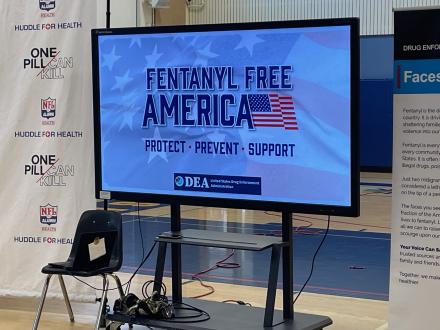
NFLAH legends Kyle Richardson and Toure Carter tackled tough topics with students such as drug prevention, overcoming adversity, peer pressure, and thriving every day. Toure Carter was the MVP of the event, sharing personal success stories and challenges that drugs can cause families with attentive students.
DEA Assistant Special Agent in Charge Pete Vainauskas, Community Outreach Specialist Akilah Johnson, and Diversion Program Specialist Reba Brooksher shared life-saving information and resources with the students who also experienced the Faces of Fentanyl Memorial Exhibit - a replica of the exhibit located at DEA Headquarters in Arlington, VA and online at https://fof.dea.gov , which includes over 7,000 photos from families who have lost a loved one to a fentanyl poisoning. Families can learn more at https://www.dea.gov/fentanylawareness . Students walked away with a winning game plan to protect themselves and support one another.
Progress Through Awareness and Action
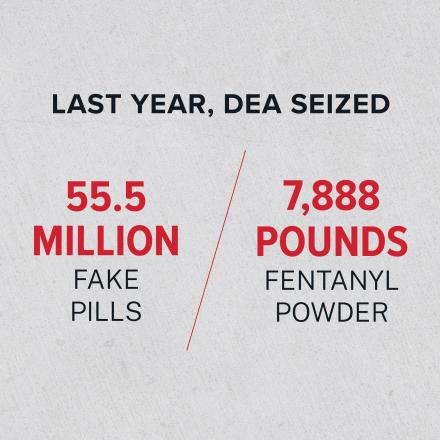
Education and outreach efforts like those conducted during Super Bowl LX are helping to drive meaningful progress. While fentanyl-related poisoning deaths have declined from their peak, synthetic opioids remain the leading cause of death for Americans ages 18 to 44 according to the Centers for Disease Control and Prevention. This reality underscores the continued need for high-visibility prevention campaigns, community engagement, and sustained conversations.
The One Pill Can Kill campaign plays a vital role in this progress by providing Americans with the knowledge and tools needed to raise awareness, make informed choices, and protect those they care about -- bringing the nation closer to a Fentanyl Free America.
Join the Fight: Keep the Conversation Going
The work does not end when the game is over. Achieving a Fentanyl Free America requires ongoing commitment from individuals, families, and communities.
We encourage you to join the fight to build safer, more resilient communities by continuing to have important conversations with family and friends. Talk openly about the dangers of fentanyl and counterfeit pills, share trusted information, and support prevention efforts at home, at school, and in the community.
A conversation can change a mindset. An informed choice can save a life.
By keeping the conversation going beyond Super Bowl LX, we can all protect the people we love by preventing fentanyl poisonings and supporting those who have been impacted. Together, we can build a safer, healthier future for all.