


DEA Recognizes National Fentanyl Awareness Day, April 29
DEA Recognizes National Fentanyl Awareness Day
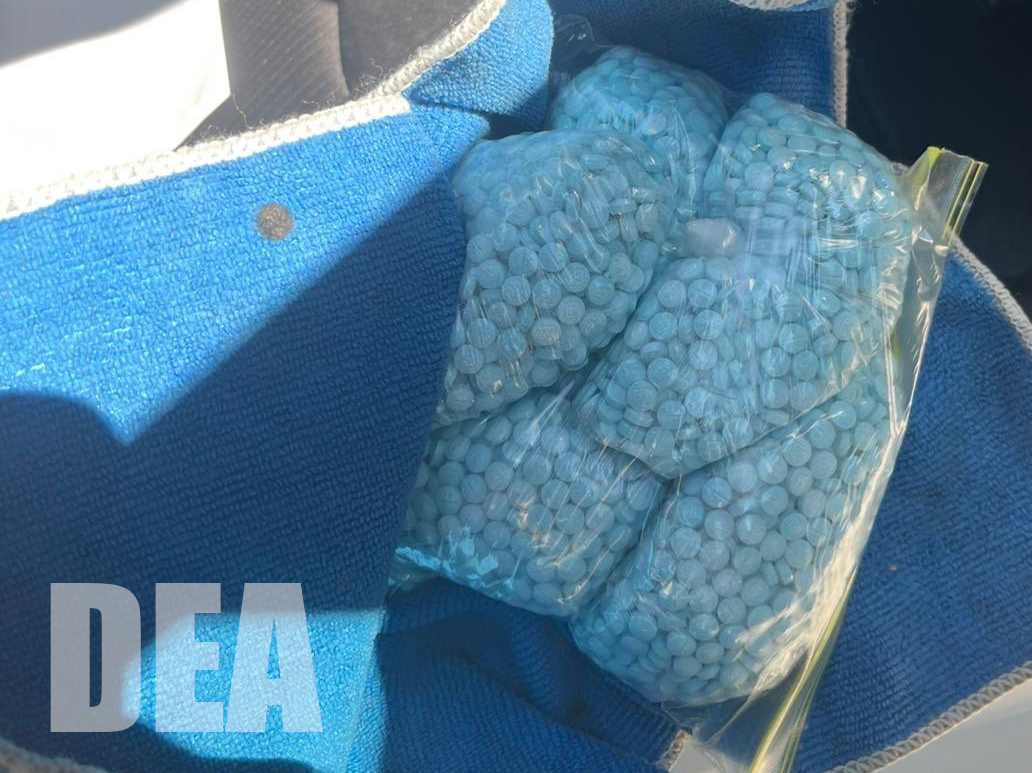
The DEA will recognize National Fentanyl Awareness Day, Wednesday, April 29.
ST LOUIS– The U.S. Drug Enforcement Administration (DEA) will recognize National Fentanyl Awareness Day, Wednesday, April 29, as a show of support for the agency’s valued partners in law enforcement, public health and non-profit agencies.
Fentanyl-related deaths have decreased in the past several years, yet fentanyl remains the leading cause of death among Americans ages 18-45. Across the three state DEA St. Louis Field Division, the U.S. Center for Disease Control and Prevention (CDC) attributes more than 2,000 deaths to fentanyl in the 12 months leading up to November 2025, across Illinois, Kansas and Missouri combined.
“Fentanyl has left a wake of destruction, tearing apart families in our Midwestern communities,” DEA St. Louis Field Division Special Agent in Charge Michael Davis said. “We must work together, sounding the alarm and raising awareness to the threat entering our neighborhoods and our homes. Education combined with the efforts of law enforcement nationwide is necessary to eradicate the deadly drug that’s taking so many lives.”
Six months ago, DEA intensified its fight against the deadly threat of synthetic opioids with the launch of its Fentanyl Free America initiative. DEA urges the public to remain cognizant of the extreme threat of fentanyl:
- Fentanyl is a synthetic opioid that is approximately 50 times more potent than heroin and 100 times more potent than morphine.
- Just two milligrams, the equivalent of a few grains of salt, is a potentially lethal dose.
- The Sinaloa Cartel and CJNG, both designated as Foreign Terrorist Organizations in 2025, are pressing fentanyl into counterfeit pills that look like prescription medications – such as oxycodone, Xanax, and Percocet – as well as mixing fentanyl powder with cocaine, heroin, and methamphetamine.
- Many of the people poisoned by fentanyl had no idea they were even taking it.
- The only safe medications are ones that come from licensed and accredited medical professionals.
For more information about fentanyl, visit dea.gov/fentanylfree, where resources are available for public use. If you are interested in submitting a photo of your loved one to be included in the Faces of Fentanyl memorial exhibit visit www.DEA.gov/facesoffentanyl.
Help spread awareness about the dangers of fentanyl by posting a photo on social media using the hashtags #NationalFentanylAwarenessDay and #JustKnow.


