


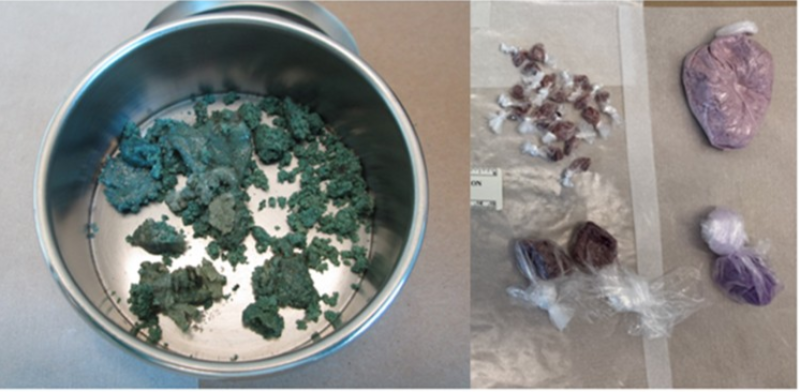
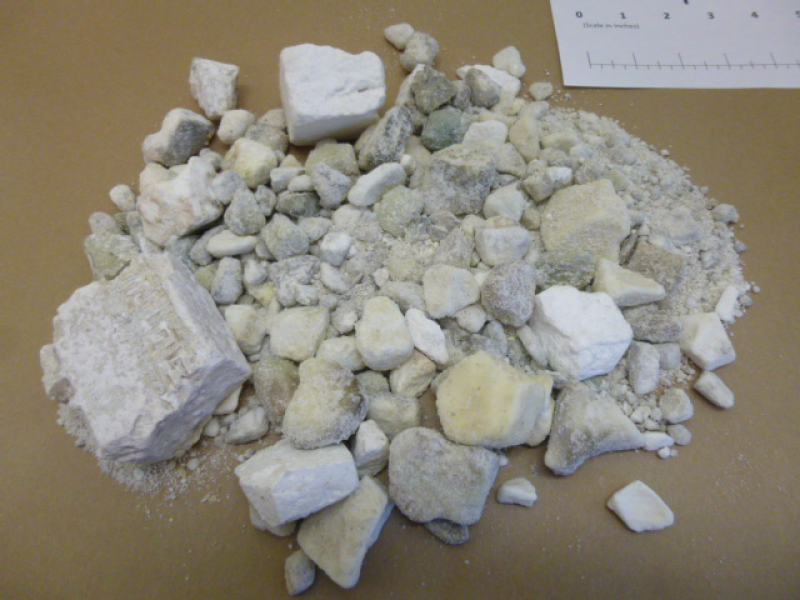
The DEA Laboratory System recently identified a concerning new form of fentanyl that potentially poses a risk to public health and safety. This substance, found in various colors and textures, is soft and pliable, allowing it to be molded and shaped. Laboratory testing reveals that this form contains combinations of fentanyl, fentanyl-related substances, and other adulterants, with purity levels ranging from less than 1% to over 20%. Even at low concentrations, fentanyl is extremely potent and can be lethal.
This newly identified form of fentanyl differs from traditional samples, which are typically powders or pills. Its unique texture and appearance may be exploited by traffickers to disguise it as harmless materials, making detection more difficult and increasing the risk of accidental exposure. The ability to mold and shape this substance without water further enhances its potential for concealment and misuse.
The Dangers of Fentanyl
Fentanyl is a synthetic opioid that is approximately 100 times more potent than morphine. Even a small amount—equivalent to a few grains of salt—can cause fatal overdoses. Its potency, combined with its ability to be mixed with other substances, makes it a leading cause of drug poisoning deaths in the United States. Fentanyl and fentanyl-related substances are often found in counterfeit pills, powders, and now in this newly identified pliable form, increasing the risk to unsuspecting individuals.
What the Public Should Know:
- Deceptive Appearance: The pliable nature of this substance may lead individuals to mistake it for harmless items, increasing the likelihood of unintentional contact or ingestion.
- Enhanced Concealment: Drug traffickers may use this form to evade detection, further complicating efforts to combat fentanyl distribution.
- Community Awareness: It is crucial for the public to remain vigilant and report suspicious substances to local authorities. Parents, educators, and community leaders should educate others about the dangers of fentanyl and its evolving forms.
Protecting Yourself and Your Community:
- Avoid handling unknown substances, especially those with unusual textures or appearances.
- If you suspect exposure to fentanyl, seek immediate medical attention. Naloxone can reverse opioid overdoses, but prompt action is critical.
- Stay informed about the latest developments in drug trafficking methods and the dangers of synthetic opioids.
For more information on fentanyl and how to protect yourself, visit Fentanyl Awareness.
By raising awareness and working together, we can combat the devastating impact of fentanyl and safeguard our communities.