


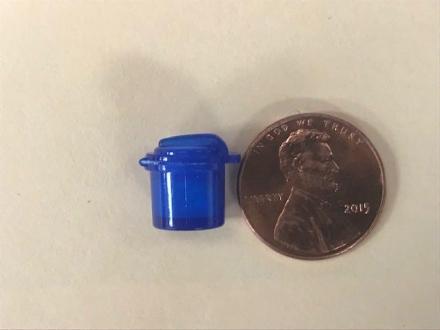
“Trash Can” Drug Threat in Mid-Atlantic
Baltimore-area Drug Trend Spreading: What you need to know
Law enforcement has seen them in the Washington D.C. and Baltimore metro areas since 2019, and they are becoming an increasing trend. What you should know about “trash cans” and how these plastic capsules, haphazardly packed with deadly fentanyl, can kill.
What are “trash cans”?
On local streets, these capsules of varying colors and sizes are called "trash cans.” Sold as many different drugs, they are often haphazardly packed with fentanyl, an opioid so potent that just a tiny amount can cause a fatal overdose to even the most seasoned drug user. DEA Washington and its partners have found them in Baltimore, D.C., New Jersey, and Philadelphia. With fear this new drug threat is spreading across the nation.
An easy and durable way to package and transport drugs to street dealers and users, these lidded vials have been seen across the area in increasing numbers. They hold powdered drugs, often contain the deadly drug fentanyl, and are seen in sizes smaller than a penny to about the size of a nickel. Police have found these vials in a variety of colors, including hot pink, orange, yellow, blue, green, black, silver and purple. But DEA Washington Division agents say they're most often seen in clear containers.
Baltimore-area police first noticed fentanyl mixtures in these "trash cans" in 2019 and alerted the DEA’s Washington Division. Agents and local law enforcement partners have been seeing them in increasing numbers ever since.
Jarod Forget, Special Agent in Charge of the DEA Washington Division, warns that this packaging method poses a large threat to those using drugs as well as children and law enforcement officers across the area.
Where do they originate?
The “trash cans" found in neighborhoods across the area are being packaged in U.S.-based conversion labs -- homes or buildings where traffickers alter or remix drugs – from drugs supplied, in bulk, from Mexican cartels. Often times, drug traffickers fill these vials with a mix of fentanyl and other adulterants or chemicals, to keep their product cheap and potent, and marketing them as various other drugs to street-level users.
Drug dealers and suppliers have started using these thicker, lidded vials in many areas for a number of reasons. For traffickers, the thickness of the vials makes them more durable. They are also easier to smuggle, as the vials are thicker than typical capsules users can swallow. They are less likely to break when hidden in body cavities -- a common way to sneak drugs into airports and jails. Even on the streets, if it's a humid day or it's raining or snowing, while traditional gel capsules can deteriorate, or bags can open in a pocket, these vials allow users and dealers to better secure their product.
The newness of the packaging is attractive. It’s distinctive. And like any other product, selling drugs is in many ways about marketing. DEA Washington doesn’t indicate a specific drug trafficking organization that originated the selling of "trash cans," but once users sought them, other competing trafficking networks also began to package their drugs the same way.
What’s the danger?
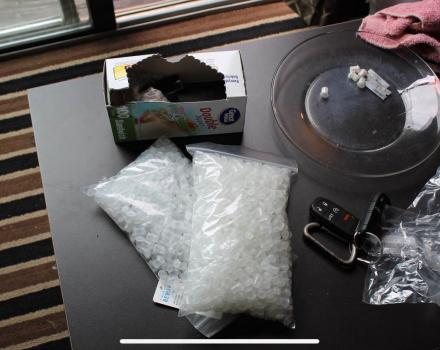
SAC Forget sees this drug trend as a specific issue in the area due to the inherent danger of the packaging and contents.
He explains, if traffickers, members of the public, children, or police breathe in pure fentanyl, which is often contained in these vials, there is a high risk of overdose. Many officers across the country stopped field testing for fentanyl, cautioning about the danger of even skin exposure.
Moreover, police are finding emptied vials tossed all over city streets, posing a danger if enough of the drug remains in or on the vial.
Users also clearly face a significant risk when snorting or ingesting the drugs contained in these vials – often of unknown or misrepresented origin when sold -- since only two tiny milligrams of fentanyl is enough to kill a person.
There's no way for drug users to know what's in "trash cans." Sometimes, traffickers forgo the fentanyl and instead simply fill them with cutting agents, such as bath salts or baby powder sprayed with other chemicals. Other times, the vials contain a lethal dose of fentanyl.
How big is the threat?
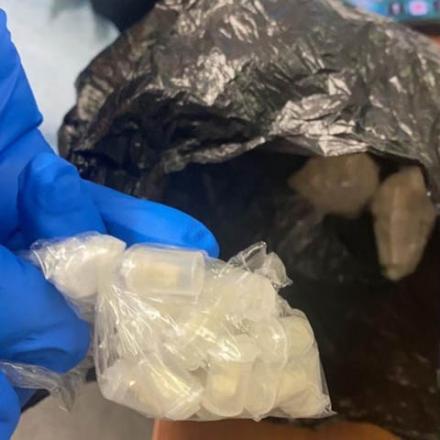
Use of these “trash cans” has spread throughout Maryland, D.C., and up through Philadelphia and New Jersey. The bulk of the fentanyl in the Baltimore area comes from Mexican cartels, through California or Texas, before being shipped northeast.
And the majority of fentanyl, now America’s number one killer, comes from two majorly violent and terrorizing drug cartels: the Sinaloa Cartel and the Cártel Jalisco Nueva Generación (CJNG).
Although "trash cans" are popular in local areas now, tactics to sell illegal drugs are constantly evolving. While traffickers are likely working on new packaging or tactics for the next drug threat, DEA Washington does warn that it will most likely involve fentanyl, the synthetic drug Mexican cartels are still mass producing and flooding into the United States.
How can you stay safe?
The best thing citizens and families can do to say safe, SAC Forget explains, is arm yourself with knowledge. Learning more about these drug threats, what they look like, where they are, and how they are evolving, allows you to avoid danger and stay safer.
Talking to your family is also a major factor in the fight against violent crime and drug issues. Talking with your family and children early and often – about life, about good decisions, about bad influences, and about what you learn, is the key to providing a safer future and solution to a lot of our addiction and drug problems.
Of course, staying away from these dangerous drugs is best. But if you or a loved one need help with addiction, there’s always help. Our partners at the Substance Abuse and Mental Health Services Administration (SAMHSA) can help – if you or someone you know is struggling, call their 24-hour helpline at 1-800-662-HELP. Together, we can make a difference in our communities.