Multi-Agency Working Group Addresses Heroin Problem In Colorado
Pasar al contenido principal
U.S. flag

Un sitio oficial del Gobierno de Estados Unidos

Así es como usted puede verificarlo

Dot gov
Los sitios web oficiales usan .gov
Un sitio web .gov pertenece a una organización oficial del Gobierno de Estados Unidos.
Https

Los sitios web seguros .gov usan HTTPS
Un candado ( Candado Un candado cerrado ) o https:// significa que usted se conectó de forma segura a un sitio web .gov. Comparta información sensible sólo en sitios web oficiales y seguros.

  • Quiénes somos
    • Sobre la DEA
    • Mission
    • Leadership
    • Nuestra historia
    • Divisiones Nacionales
      • Operational Divisions
    • DEA Museum
    • Wall of Honor
    • Contáctenos
      • Submit a Tip
      • Extortion Scam
      • Public Affairs
      • Social Media Directory
  • Recursos
    • Cartels
    • Illegal Online Pharmacies
    • OD Justice
    • Fentanyl Supply Chain
    • Pill Press Resources
    • Recovery Resources
    • Together for Families
    • Ley de Libertad de Información
      • Fee Waiver
    • Publications
    • Galerías Multimedia
    • Programa de Asistencia a Testigos para Víctimas
      • Human Trafficking Prevention

United States Drug Enforcement Administration

  • Recibir Actualizaciones
  • Scam Alert
  • Menú Completo
  • English
  • Español

Main Menu

Explore DEA
  • Quiénes somos
    • Sobre la DEA
    • Mission
    • Leadership
    • Nuestra historia
    • Divisiones Nacionales
    • DEA Museum
    • Wall of Honor
    • Contáctenos
  • Recursos
    • Cartels
    • Illegal Online Pharmacies
    • OD Justice
    • Fentanyl Supply Chain
    • Pill Press Resources
    • Recovery Resources
    • Together for Families
    • Ley de Libertad de Información
    • Publications
    • Galerías Multimedia
    • Programa de Asistencia a Testigos para Víctimas

Sobrescribir enlaces de ayuda a la navegación

  • Inicio
  • Multi-Agency Working Group Addresses Heroin Problem In Colorado
Multi-Agency Working Group Addresses Heroin Problem In Colorado

Abril 06, 2017
|
Share Article
|
Download Press Release
For Immediate Release
Contact: Steffan W. Tubbs
Phone Number: 571-387-5079

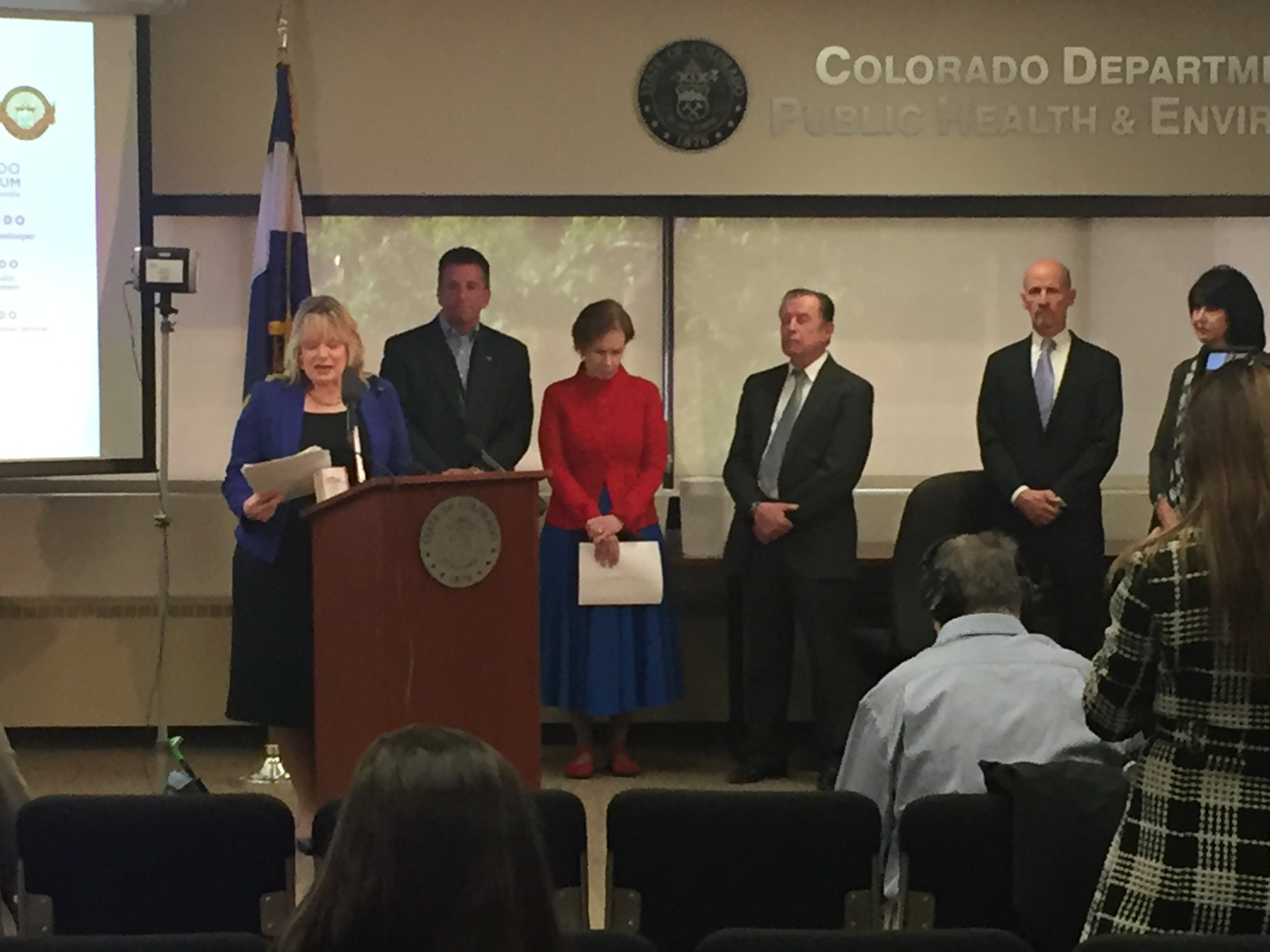
Participants at the new Denver Broncos practice facility with the Lombardi Trophy.
den040617_fig1.jpg
Detailed Report on Usage, Overdose and Treatment

DENVER - As heroin use continues to climb in Colorado and across the country, a recently formed multi-agency working group has released a report providing a detailed look at usage, overdose and treatment data.  The report was released at a press conference at the Colorado Department of Public Health and Environment on April 6, 2017.

“Heroin in Colorado” also includes a survey of Colorado heroin users conducted at methadone clinics across the metro area.  Survey results provide a rare glimpse into users’ perspectives, including why they use heroin, how their addiction began and what obstacles they faced trying to end their addiction. 

In addition, the report details some of the health effects of heroin use, including disease transmission as a result of shared needles and the increase in neonatal abstinence syndrome, which occurs when babies are born opiate dependent.

The comprehensive report was compiled by the Heroin Response Working Group, which includes representatives from the Drug Enforcement Administration’(DEA) Denver Field Division, the Rocky Mountain High Intensity Drug Trafficking Area, the Colorado Department of Public Health and Environment, Colorado Department of Public Health and Environment, the Colorado Department of Human Services, the Colorado Attorney General’s Office and the Colorado Consortium for Prescription Drug Abuse Prevention.  The full report can be found on line at www.rmhidta.org.

Report highlights include:
           
Heroin-related deaths among Colorado residents doubled between 2011 and 2015.
           
There was a 2,035 percent increase in the number of heroin seizures between 2011 and 2015.
           
Between 2011 and 2015, there was an 80 percent increase in the number of hepatitis C virus cases among people ages 15 to 29 years old. Hepatitis C often is contracted when needles are shared.

Results in the report from the methadone clinic study show:

Heroin use spans demographics. While the income and age range of respondents varied, many current or former heroin users reported having a college education, living in their own home and being employed.

Seventy percent of respondents said prescription pain killers played a role in their decision to use heroin.

When asked what could have prevented their heroin use, respondents said they might not have used heroin if they had never taken pain pills, had different friends or had more education about the effects of drug use.

Download Press Release
###
US Department of Justice - Drug Enforcement Administration

Drug Enforcement Administration

David S. Olesky Special Agent in Charge - Rocky Mountain
@DEAROCKYMTNDiv
  • Facebook
  • X
  • Email
  • Quienes Somos
    • Sobre
    • Contáctenos
    • Museo DEA
  • Recursos
    • Ley de Libertad de Información (FOIA)
    • Publicaciones
    • Galerías Multimedia
    • Programa de Asistencia a Testigos para Víctimas
  • Políticas
    • Accesibilidad, Complementos y Política
    • Políticas Legales y Descargos de Responsabilidad
    • Antidiscriminación y Represalias Acto
    • Política de Privacidad
    • Política de Igualdad de Oportunidades en el Empleo del U.S. DOJ
    • USA.gov
    • Protección de Denunciantes
    • Your Rights as a Federal Employee

United States Drug Enforcement Administration

DEA.gov is an official site of the U.S. Department of Justice
Facebook X LinkedIn Instagram

DEA Contact Center

(202) 307-1000 info@dea.gov
Contact the Webmaster